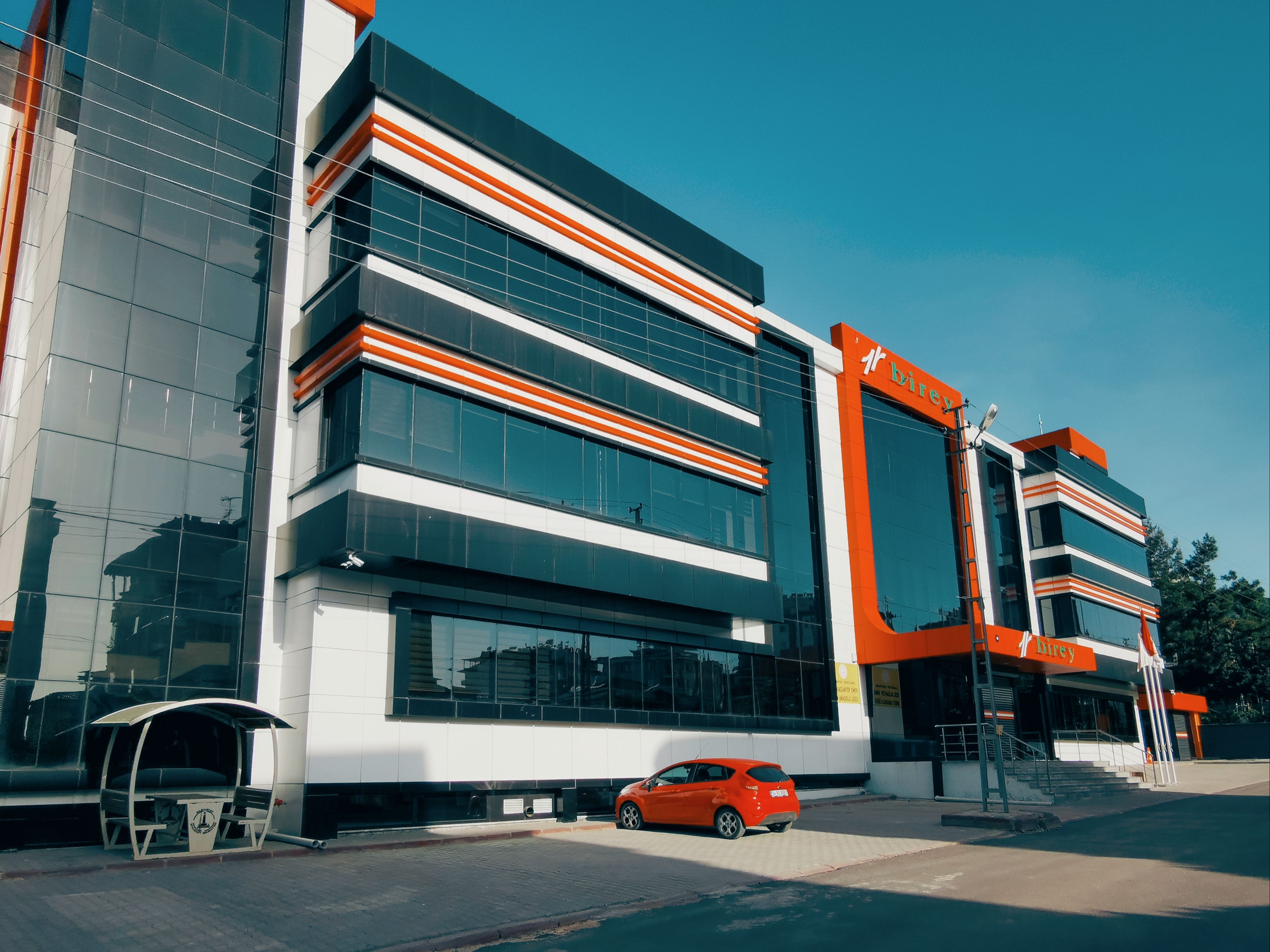
Ghana's construction industry is entering a new era. As we move through 2026, the way buildings are designed, constructed, and operated in Ghana is being reshaped by global trends adapted to local realities. From sustainable materials to smart technology, these shifts are creating both opportunities and challenges for developers, contractors, and property buyers across the country.
At CD Growth Partners Limited, we're at the front lines of these changes. Whether it's an estate residence in Accra, a 3-storey commercial building in Kumasi, or a large commercial complex in Tema, we've seen how these trends translate into real-world building decisions. Here are the top construction trends shaping Ghana in 2026.
1. Sustainability Becomes Standard, Not Optional
Sustainability is no longer a marketing buzzword — it's becoming a core requirement for construction projects in Ghana. This shift is driven by three forces: rising energy costs, client demand, and government incentives for green building practices.
What does sustainable construction look like in a Ghanaian context? It means using locally-sourced materials where possible, designing buildings for maximum natural ventilation (reducing air-conditioning costs), installing solar power systems, and incorporating rainwater harvesting into the building's design.
Sustainable Materials Making Waves
- Compressed earth blocks (CEB) — lower cost, better thermal mass than traditional bricks
- Recycled steel and aluminium — reducing the carbon footprint of structural components
- Bamboo and timber composites — renewable, durable, and increasingly accepted for structural use
- Low-carbon concrete — mixes that use less cement, cutting emissions by up to 40%
Buildings that incorporate these materials don't just reduce environmental impact — they often cost less to operate over their lifetime. Energy-efficient buildings command higher resale values and lower tenant turnover.
2. Smart Buildings and IoT Integration
Smart building technology has moved from luxury to mainstream. In 2026, even mid-range residential and commercial projects in Ghana are expected to include some level of smart integration.
What Smart Features Are Becoming Standard?
- Smart lighting systems that adjust automatically to occupancy and daylight
- Energy monitoring dashboards that help owners track and reduce consumption
- Access control systems with mobile app integration
- Smart HVAC systems that learn occupant preferences and optimize efficiency
- CCTV with AI analytics that detect unusual activity and reduce false alarms
For property developers in Ghana, adding smart features is increasingly a competitive advantage. Buyers and tenants are willing to pay premiums for buildings that are more efficient, secure, and convenient.
"Smart building technology used to add 20-30% to a project's cost. In 2026, many of these features have become affordable standard inclusions — and clients expect them."
3. Modular and Prefabricated Construction
Modular construction — where building components are manufactured off-site and assembled on location — is gaining serious traction in Ghana. This approach offers significant advantages for a market where skilled labour can be scarce and project timelines often stretch.
Why Modular Construction is Growing in Ghana
- Speed — projects complete 30-50% faster than traditional methods
- Quality control — factory conditions ensure consistent quality
- Cost predictability — fewer on-site surprises mean tighter budgets
- Reduced waste — off-site production minimizes material waste
- Weather independence — rain doesn't stop factory production
Modular construction is particularly well-suited for affordable housing projects, worker accommodations, and rapid-build commercial structures. Expect to see this approach become even more prominent in the coming years.
4. Digital Tools Transform Project Management
The way construction projects are managed in Ghana has been transformed by digital tools. These aren't just nice-to-haves — they're becoming essential for staying competitive.
Key Technologies Driving Change
- Building Information Modelling (BIM) — 3D digital models that identify design conflicts before construction
- Drone surveying — faster, more accurate site mapping and progress tracking
- Project management software — real-time coordination between designers, contractors, and clients
- Mobile documentation — photos, videos, and checklists shared instantly
- AI-powered cost estimation — more accurate budget projections using historical data
These tools reduce errors, improve communication, and speed up project delivery. For clients, that means fewer delays and better outcomes. For contractors, it means better margins and stronger reputations.
5. Focus on Resilience Against Climate Change
Ghana is already experiencing the effects of climate change — flooding in coastal cities, changing rainfall patterns, and rising temperatures. Construction is responding with designs that are more resilient to these challenges.
Climate-Resilient Building Practices
- Elevated foundations in flood-prone areas
- Improved drainage design that handles extreme rainfall
- Cool-roof technology that reflects solar radiation and reduces heat gain
- Water storage and management systems integrated into new construction
- Native landscaping that requires less water and supports local biodiversity
This resilience focus isn't just environmental — it's financial. Buildings designed for climate extremes have lower insurance premiums, lower maintenance costs, and higher long-term values.
6. Rising Standards in Construction Quality
Ghanaian consumers and businesses are demanding higher quality construction than ever before. This is partly driven by increased awareness of building failures both locally and internationally, and partly by the natural maturing of the market.
Developers who cut corners are finding it harder to sell or lease their properties. Those who invest in quality — proper structural engineering, quality finishes, and reliable MEP (mechanical, electrical, plumbing) systems — are seeing strong returns.
"In today's market, quality is the strongest marketing tool. Word spreads fast, and buyers are much more discerning than they were a decade ago."
7. Growth in Renovation and Adaptive Reuse
Not all construction activity is new builds. Ghana is seeing significant growth in renovation and adaptive reuse projects — transforming older buildings into modern, efficient spaces.
This trend is driven by several factors: prime land becoming scarce in major cities, historical buildings worth preserving, and the cost advantage of renovation over demolition and rebuild. Buildings that once housed offices are becoming apartments; old warehouses are becoming retail spaces and event venues.
What This Means for You
Whether you're planning a new build, considering a renovation, or investing in real estate, these trends matter. They affect:
- Cost — Sustainable materials and modular methods can reduce costs, while smart technology adds some
- Value — Buildings that embrace these trends command higher prices and rents
- Timeline — Digital tools and prefabrication speed up delivery
- Longevity — Climate-resilient and quality-focused builds last longer
Action Steps for Developers and Owners
- Consult early with experienced partners. Involve your contractor and consultants during the design phase, not after plans are finalized.
- Invest in smart features strategically. Start with energy monitoring and security — these have the fastest payback.
- Prioritize sustainability where it pays back. Solar, insulation, and water systems reduce operating costs for decades.
- Use digital tools from day one. BIM and project management software reduce costly errors.
- Design for climate realities. In Ghana, that means planning for heat, flooding, and variable rainfall.
Conclusion
Ghana's construction industry in 2026 is more dynamic, more technological, and more quality-focused than ever before. Developers who embrace these trends will thrive in the years ahead, while those who resist change risk falling behind.
The good news is that these aren't futuristic ideas — they're available today, and they're already transforming projects across Ghana. Whether you're planning a home, a commercial building, or a large development, aligning with these trends will pay dividends.
Ready to build with confidence? Explore our construction services or contact CD Growth Partners today to discuss your project. Our team combines global best practices with deep local expertise to deliver buildings that stand the test of time.
.png)