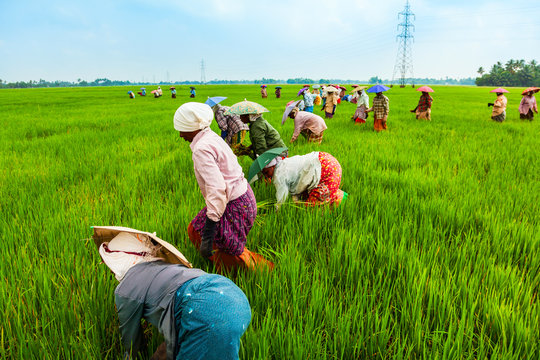
Ghana's agricultural sector stands at a historic turning point. Once dominated by subsistence farming and traditional methods, the industry is now experiencing a profound transformation driven by technology, sustainability, and value addition. This shift is not just changing how food is grown — it's reshaping the entire national economy and creating unprecedented opportunities for entrepreneurs, investors, and communities across the country.
At CD Growth Partners Limited, we've witnessed this transformation firsthand through our agribusiness projects across Ghana. From the fertile lands of the Eastern Region to the commercial farms of the Ashanti territory, the signs of change are unmistakable. In this article, we explore the key forces driving this revolution and what it means for Ghana's future.
The Rise of Technology-Driven Farming
One of the most significant changes in Ghana's agribusiness landscape is the adoption of modern technology. Precision farming techniques, drone monitoring, and satellite imagery are no longer confined to developed nations — they're being deployed right here in Ghanaian fields.
Farmers are increasingly using mobile applications to track crop health, monitor weather patterns, and access market prices in real time. Soil sensors embedded in fields provide data on moisture levels and nutrient content, enabling precise irrigation and fertilization. This data-driven approach has led to significant yield improvements and reduced waste.
Mobile Technology Empowering Farmers
The widespread adoption of mobile phones across Ghana — even in rural areas — has created new pathways for farmers to access information, financing, and markets. Platforms that connect farmers directly to buyers are eliminating middlemen and improving margins for producers.
"The combination of modern agricultural technology and strategic partnership has the potential to triple Ghana's agricultural output within the next decade. The tools exist — what's needed is widespread adoption and expert guidance."
Sustainable Farming: Protecting the Future
Sustainability has moved from a buzzword to a core business strategy in Ghanaian agribusiness. Forward-thinking farms are implementing practices that protect the environment while maintaining profitability.
- Drip irrigation systems that reduce water consumption by up to 60% compared to traditional methods
- Organic farming practices that eliminate harmful chemicals and improve soil health
- Greenhouse technology that extends growing seasons and protects crops from unpredictable weather
- Agroforestry that integrates trees with crops to create more resilient ecosystems
These practices aren't just good for the environment — they're good business. Consumers, both local and international, increasingly prefer products from farms that demonstrate environmental responsibility. This opens premium export markets for Ghanaian agricultural goods.
Our Sustainable Farm Initiative in the Eastern Region is a living example of what's possible when modern techniques meet Ghanaian soil. The project achieved a 5x yield increase while reducing water and chemical usage.
Value Addition: Moving Beyond Raw Exports
Historically, Ghana has exported raw agricultural commodities like cocoa beans, unprocessed cashews, and fresh produce — capturing only a fraction of the final value. Agribusiness transformation means shifting toward value-added processing that keeps more wealth in the country.
We're seeing the emergence of local processing facilities for:
- Cocoa into chocolate and cocoa butter
- Cashew into roasted nuts and cosmetics
- Fruits into juices, jams, and dried products
- Shea into butter and skincare products
- Grains into flour, cereals, and packaged foods
This value addition creates jobs, reduces reliance on imports, and increases export earnings. It also builds industrial capacity that supports other sectors of the economy.
"Every stage of processing we add to a Ghanaian agricultural product is another opportunity for employment, skill development, and economic growth right here at home."
Building the Agribusiness Ecosystem
Transformation doesn't happen in isolation. It requires a supportive ecosystem that includes:
Access to Finance
Agricultural financing has long been a challenge in Ghana, with banks viewing farming as high-risk. New financing models — including agricultural cooperatives, impact investment funds, and digital lending platforms — are beginning to fill this gap. Our upcoming CD Growth Lending System is designed specifically to serve agribusiness operators with tailored financial products.
Training and Capacity Building
Knowledge transfer is critical. Farmers need access to training in modern techniques, business management, and technology adoption. Universities, agricultural extension services, and private companies all play a role in building this capacity.
Infrastructure Development
Good roads, reliable electricity, cold storage facilities, and irrigation systems are foundational to agribusiness success. Government investment and public-private partnerships are essential to building this infrastructure.
Market Access
Ghanaian agricultural products need reliable pathways to both domestic and international markets. This requires meeting quality standards, securing trade agreements, and developing distribution networks.
Action Steps for Aspiring Agri-Entrepreneurs
If you're considering entering Ghana's agribusiness sector, here's how to get started:
- Choose your niche carefully. Whether it's a specific crop, a processing operation, or an agri-service business, pick something that matches your resources and the market demand.
- Study successful models. Visit working farms and agribusinesses. Learn what works and what doesn't from people already in the field.
- Start small and scale methodically. Begin with a manageable operation, prove the concept, and grow incrementally.
- Embrace technology from day one. Even small operations benefit from mobile apps, digital record-keeping, and modern farming tools.
- Build partnerships. Connect with other farmers, processors, buyers, and support organizations. Agribusiness is a team sport.
- Seek expert guidance. Work with consultants who understand both agriculture and business. The right advice early on can save years of costly mistakes.
The Road Ahead
Ghana's agribusiness transformation is still in its early stages, but the momentum is undeniable. With the right investments in technology, training, and infrastructure — and with dedicated partners committed to the sector — Ghana can become a major agricultural powerhouse in West Africa.
The opportunities are enormous: food security for a growing population, employment for young Ghanaians, export revenue that strengthens the national economy, and sustainable practices that protect the environment for generations to come.
Conclusion
Agribusiness is transforming Ghana — and the transformation is just beginning. Whether you're a farmer looking to modernize, an entrepreneur exploring the sector, or an institution seeking to invest in Ghana's agricultural future, the time to act is now.
Ready to get started? Explore our agribusiness services or contact CD Growth Partners today for a free consultation. Together, we can build a more prosperous, sustainable, and food-secure Ghana.
.png)